
Introduction
As urbanization continues to rise and the demand for affordable housing grows, innovative solutions are emerging to meet the needs of a mobile lifestyle. Among these solutions, flat pack container houses have gained significant attention for their efficiency, affordability, and adaptability. These structures, designed for easy transport and assembly, provide a unique living option for those seeking flexibility in their housing arrangements. This article explores the concept of flat pack container houses, their benefits, applications, and the broader implications for modern living.
Understanding Flat Pack Container Houses
What Are Flat Pack Container Houses?
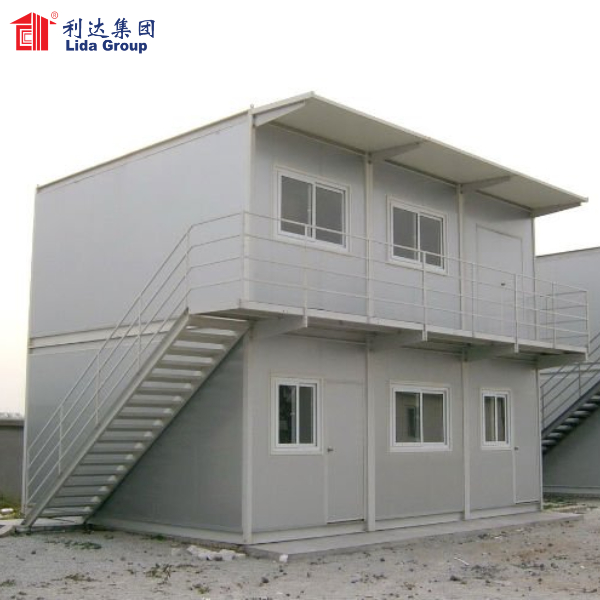
Flat pack container houses are prefabricated structures made from repurposed shipping containers that are designed to be disassembled and transported easily. These houses can be assembled on-site, allowing for quick and efficient construction. The flat pack design minimizes shipping costs and simplifies logistics, making them an attractive option for various lifestyles.
Key Features
- Modular Design: Flat pack container houses are designed in modules that can be easily combined or expanded to create larger living spaces.
- Sustainability: Utilizing repurposed shipping containers reduces waste and promotes environmentally friendly building practices.
- Ease of Transport: Their flat pack nature allows for straightforward transportation, making them suitable for remote or challenging locations.
The Need for Efficient Living Solutions
Challenges in Traditional Housing
The traditional housing market faces several pressing challenges:
- Affordability: Rising property prices make homeownership increasingly unattainable for many individuals and families.
- Urbanization: As more people move to urban areas, the demand for housing often outstrips supply, leading to overcrowding and increased living costs.
- Flexibility: Many individuals today seek flexible living arrangements that can adapt to their changing circumstances, whether due to work, travel, or lifestyle choices.
The Role of Flat Pack Container Houses
Flat pack container houses address these challenges by providing a cost-effective, flexible, and sustainable housing solution. Their design allows individuals to create living spaces that suit their needs while minimizing environmental impact.
Benefits of Flat Pack Container Houses
1. Cost-Effectiveness
Affordability is a major concern for many seeking housing:
- Lower Material Costs: Using repurposed shipping containers significantly reduces construction material costs compared to traditional building methods.
- Reduced Labor Costs: The prefabrication process minimizes on-site labor requirements, leading to overall savings.
2. Speed of Construction
Time is of the essence in housing:
- Rapid Assembly: Flat pack container houses can be assembled in a matter of days, allowing occupants to move in quickly.
- Efficient Logistics: The flat pack design simplifies transportation and delivery, further speeding up the construction process.
3. Customization and Flexibility
Flat pack container houses can be tailored to meet various needs:
- Modular Configurations: The modular nature allows for easy expansion or reconfiguration based on changing needs.
- Personalized Designs: Owners can customize the interior and exterior to reflect their personal style and functional requirements.
4. Sustainability
Sustainability is increasingly important in modern construction:
- Recycling and Repurposing: Utilizing shipping containers promotes recycling and reduces waste, contributing to more sustainable building practices.
- Energy Efficiency: Flat pack container houses can be designed with energy-efficient features, such as insulation and solar panels, reducing their environmental footprint.
5. Mobility
For those with a mobile lifestyle, flat pack container houses offer significant advantages:
- Easy Relocation: These houses can be easily disassembled and transported to new locations, making them ideal for individuals who travel or relocate frequently.
- Temporary Housing Solutions: They can serve as temporary housing for work assignments, travel, or during transitions between permanent residences.
Applications of Flat Pack Container Houses
1. Tiny Homes
The tiny home movement has gained popularity as individuals seek to downsize and simplify their lives:
- Minimalist Living: Flat pack container houses can be designed as tiny homes, promoting a minimalist lifestyle that prioritizes efficiency and sustainability.
- Affordability: They offer an affordable alternative to traditional housing, allowing individuals to own their homes without significant financial burden.
2. Vacation Homes
Flat pack container houses are increasingly being used as vacation homes:
- Remote Locations: Their ease of transport makes them suitable for remote locations, providing a comfortable getaway in nature.
- Customizable Retreats: Owners can design their flat pack containers to fit their vacation needs, whether for family gatherings, solo retreats, or rental opportunities.
3. Temporary Housing Solutions
In situations where temporary housing is needed, flat pack container houses excel:
- Disaster Relief: After natural disasters, flat pack container houses can be quickly deployed to provide shelter for displaced individuals and families.
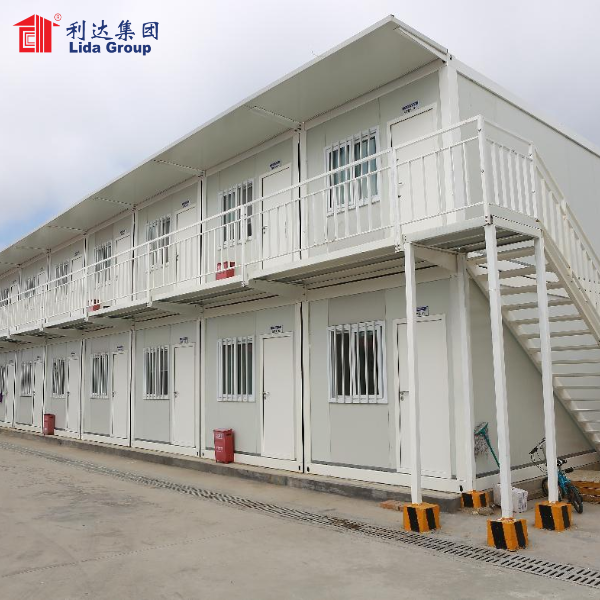
- Workforce Housing: Industries such as construction and mining can utilize flat pack container houses as temporary accommodations for workers on-site.
4. Eco-Friendly Communities
As sustainability becomes a priority, flat pack container houses can contribute to eco-friendly community developments:
- Green Building Initiatives: Developers can integrate flat pack container houses into sustainable housing projects, promoting environmentally friendly living.
- Community Resilience: These houses can be part of community resilience plans, providing affordable and sustainable housing options for those in need.
5. Mobile Offices
The versatility of flat pack container houses extends beyond residential use:
- Portable Workspaces: Businesses can utilize flat pack containers as mobile offices, allowing for flexible workspace solutions.
- Event Spaces: They can be transformed into temporary event spaces for conferences, workshops, or exhibitions.
Overcoming Challenges in Flat Pack Container House Implementation
1. Regulatory Compliance
Navigating local regulations can pose challenges:
- Understanding Local Codes: It is essential to be aware of local building codes and zoning regulations when planning flat pack container houses.
- Engagement with Authorities: Early communication with local authorities can facilitate the approval process and ensure compliance with necessary regulations.
2. Initial Investment Costs
While flat pack container houses offer long-term savings, initial costs can be a concern:
- Financing Options: Exploring financing options, such as loans or grants, can help mitigate upfront costs for potential owners.
- Value Demonstration: Emphasizing the long-term economic and environmental benefits can help stakeholders recognize the value of investing in flat pack container houses.
3. Public Perception
There may be misconceptions about the quality and durability of container houses:
- Education and Outreach: Providing educational resources and outreach programs can help raise awareness about the benefits of flat pack container houses.
- Showcasing Success Stories: Highlighting successful implementations can build trust and enthusiasm among potential users and stakeholders.
The Future of Flat Pack Container Houses
1. Technological Advancements
As technology continues to evolve, flat pack container houses will likely benefit from new innovations:
- Smart Home Features: The integration of smart technologies, such as IoT devices for climate control and energy management, can enhance the living experience in container houses.
- Sustainable Materials: The development of new sustainable materials and construction techniques will further improve the environmental impact of flat pack container houses.
2. Growing Demand for Flexible Living Solutions
The increasing need for adaptable and flexible housing solutions will drive demand for flat pack container houses:
- Urbanization Trends: As urban areas expand, flat pack container houses can provide efficient solutions for affordable housing.
- Changing Workforce Needs: Industries will continue to seek innovative housing options to accommodate a diverse and mobile workforce, positioning flat pack container houses as a preferred choice.
3. Expansion into New Markets
The versatility of flat pack container houses makes them suitable for various regions and applications:
- Emerging Markets: Developing countries may increasingly adopt flat pack container housing solutions to address housing shortages and improve living conditions.
- Diverse Applications: The adaptability of flat pack container houses allows for their use in various sectors, from residential to commercial and beyond.
Conclusion
Flat pack container houses represent a transformative approach to modern living, offering efficient, sustainable, and flexible housing solutions. As the challenges of traditional housing continue to grow, the appeal of flat pack container houses will likely increase, providing an innovative answer to the needs of a mobile lifestyle.
By embracing the potential of flat pack container houses, individuals and communities can enhance their living arrangements while minimizing their environmental impact. The future of housing lies in adaptability and sustainability, and flat pack container houses stand out as a practical choice for achieving these goals. In a rapidly changing world, investing in versatile and efficient living solutions is essential for fostering resilience and improving the quality of life for individuals and communities alike.
Contact Us
Post time: Oct-21-2024