
In the modern industrial landscape, the need for effective labor camps has become increasingly critical as industries expand into remote areas. Workers in sectors such as construction, oil and gas, and mining often require safe and comfortable living accommodations to ensure their well-being and productivity. Lida Group, a leader in modular construction, has developed integrated solutions for labor camps that prioritize efficiency, comfort, and sustainability. This article explores Lida Group’s approach to designing effective labor camps, the benefits of their integrated solutions, and the future of worker accommodation.
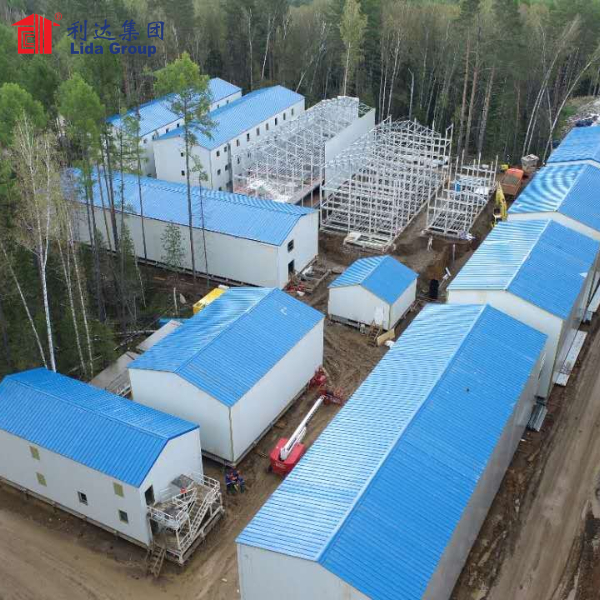
Understanding Labor Camps
The Role of Labor Camps
Labor camps serve as temporary housing for workers engaged in projects far from their homes. These camps play a crucial role in providing the necessary facilities for workers to live, rest, and socialize during their assignments. The quality of these living conditions can significantly impact workers’ morale, productivity, and overall job satisfaction.
Challenges in Traditional Labor Camp Design
- Inadequate Facilities: Many traditional labor camps are poorly designed and lack essential amenities such as clean water, sanitation, and recreational areas. This can lead to health issues and dissatisfaction among workers.
- High Construction Costs: Conventional construction methods can be expensive and time-consuming, often resulting in budget overruns and delays.
- Limited Flexibility: Traditional labor camp designs may not adapt well to changing workforce sizes or project timelines, leading to inefficient use of resources.
- Environmental Impact: Conventional building practices can contribute to waste and environmental degradation, raising concerns about sustainability.
Lida Group’s Integrated Solutions
Overview of Lida Group
Lida Group is a prominent player in the modular construction industry, known for its innovative and sustainable building solutions. The company focuses on creating prefabricated structures that are both functional and adaptable, making them ideal for labor camp applications.
Key Features of Lida Group’s Labor Camp Solutions
- Modular Design: Lida Group’s approach to modular design allows for the rapid assembly of labor camps. Each module can serve specific purposes, such as sleeping quarters, dining facilities, and recreation areas, ensuring that all worker needs are met.
- Customization: The modular nature of Lida Group’s designs allows for easy customization to fit the specific requirements of different projects and industries. This flexibility ensures that the labor camps can accommodate varying workforce sizes and preferences.
- Sustainability: Lida Group prioritizes eco-friendly materials and construction practices. Many of their designs incorporate energy-efficient systems, reducing the environmental impact of labor camps.
- Speed of Construction: Prefabricated modules can be assembled on-site quickly, minimizing downtime and allowing for faster worker occupancy.
- Comprehensive Amenities: Lida Group’s labor camps are designed with worker comfort in mind. Features such as private sleeping quarters, communal kitchens, bathrooms, and recreational areas contribute to a positive living environment.
Benefits of Lida Group’s Integrated Labor Camp Solutions
1. Enhanced Worker Well-Being
One of the primary advantages of Lida Group’s labor camps is the focus on worker comfort and well-being:
- Comfortable Living Spaces: The design of modular units prioritizes privacy and comfort, providing individual sleeping quarters that help workers rest and recharge.
- Access to Amenities: By including kitchens, dining areas, and recreational spaces, workers can enjoy a balanced lifestyle, promoting mental and physical health.
2. Increased Productivity
Quality living conditions directly correlate with worker productivity:
- Reduced Downtime: Comfortable accommodations lead to fewer health-related absences and higher overall productivity levels.
- Motivation and Morale: When workers feel valued and comfortable in their living conditions, their motivation and morale improve, leading to enhanced performance on the job.
3. Cost-Effectiveness
Investing in Lida Group’s integrated labor camp solutions can yield significant cost savings:
- Long-Term Investment: Although the initial costs may be higher than traditional labor camps, the long-term benefits of reduced turnover and increased productivity often justify the investment.
- Optimized Resource Use: Modular construction minimizes waste and maximizes the efficient use of materials, contributing to overall cost savings.
4. Sustainability and Environmental Responsibility
Lida Group is committed to sustainable construction practices:
- Eco-Friendly Materials: Many of their modular units are constructed using recycled or sustainably sourced materials, reducing the environmental impact of labor camps.
- Energy Efficiency: Incorporating energy-efficient systems, such as solar panels and high-quality insulation, helps reduce energy consumption and lowers operational costs.
5. Flexibility and Adaptability
Lida Group’s modular designs offer unmatched flexibility:
- Scalable Solutions: As project needs change, the modular units can be easily expanded or reconfigured, allowing for scalable solutions that adapt to workforce fluctuations.
- Cultural Sensitivity: Designs can be tailored to reflect local architectural styles and cultural preferences, enhancing the acceptance of labor camps within communities.
Case Studies: Successful Implementation of Lida Group’s Labor Camp Solutions
Case Study 1: Construction Project in Remote Area
Challenge: A large construction company required temporary housing for 500 workers at a remote site, needing quick and efficient accommodations.
Solution: Lida Group provided a modular labor camp solution, including various modules for sleeping, dining, and recreation. The design emphasized worker comfort and included modern amenities.
Outcome: The labor camp was constructed in record time, allowing workers to move in ahead of schedule. The comfortable living conditions led to increased worker satisfaction and productivity, ultimately benefiting the overall project timeline.
Case Study 2: Oil and Gas Exploration
Challenge: An oil and gas company faced the challenge of housing workers in a remote area with extreme weather conditions.
Solution: Lida Group designed a labor camp using insulated modular units equipped with climate control systems to ensure worker comfort. Additionally, communal spaces were included to foster social interaction.
Outcome: The labor camp provided safe and comfortable accommodations, resulting in high morale among workers. The company reported lower turnover rates and improved efficiency in operations.
Case Study 3: Emergency Relief Housing
Challenge: In the aftermath of a natural disaster, a region required immediate housing solutions for displaced workers involved in recovery efforts.
Solution: Lida Group rapidly deployed modular units designed for quick assembly, providing essential amenities to meet the urgent needs of workers.
Outcome: The modular labor camp was set up within days, providing safe and dignified living conditions for recovery workers. The swift response helped restore a sense of normalcy in the affected area.
Addressing Challenges in Labor Camp Development
1. Regulatory Compliance
Navigating local building codes and regulations can be complex. Lida Group engages with local authorities early in the planning process to ensure compliance and address potential regulatory hurdles.
2. Community Engagement
Building labor camps in remote areas requires understanding local communities. Lida Group emphasizes community engagement to ensure that their projects are accepted and supported by local residents.
3. Logistics and Transportation
Transporting modular units to remote locations can present logistical challenges. Effective planning and coordination are essential to ensure timely delivery and assembly.
4. Cultural Sensitivity
Designing labor camps that respect local cultures and traditions is crucial for acceptance. Collaborating with local architects and designers can ensure that the final product resonates with the community.
The Future of Labor Camp Development
Technological Innovations
The future of labor camps will be influenced by ongoing technological advancements:
- Smart Construction Technologies: The integration of smart technologies, such as IoT devices, can enhance the efficiency and comfort of labor camps, allowing for better energy management and security features.
- Building Information Modeling (BIM): The use of BIM will improve design accuracy and collaboration, streamlining the construction process and enhancing project management.
Global Market Potential
The demand for effective labor camps is expected to grow as industries expand into remote areas:
- Emerging Markets: Developing countries will increasingly turn to integrated solutions to address labor housing needs, especially in remote regions.
- Crisis Response: Labor camps will continue to play a crucial role in providing temporary housing in disaster-stricken areas, offering quick and effective solutions.
Customization and Adaptability
The ability to customize designs will ensure that labor camps meet the unique needs of various industries:
- Flexible Configurations: Modular designs allow for easy modifications and expansions as workforce needs change.
- Cultural Sensitivity: Designs can be tailored to reflect local architectural styles and cultural preferences, enhancing their appeal in diverse markets.
Enhancing Worker Welfare Through Effective Labor Camp Design
1. Improved Living Conditions
Lida Group’s labor camps significantly enhance the quality of life for workers:
- Comfortable Accommodations: Providing private sleeping quarters, modern kitchens, and clean bathrooms creates a comfortable living environment.
- Community Spaces: Incorporating communal areas encourages social interaction and fosters a sense of community among workers.
2. Health and Safety
Health and safety are paramount in the design of labor camps:
- Sanitation Facilities: Adequate restroom and sanitation facilities help prevent health issues and ensure the well-being of workers.
- Ventilation and Air Quality: Proper ventilation systems contribute to good air quality, reducing the risk of respiratory problems.
3. Economic Benefits
Investing in high-quality labor camps can yield significant economic benefits for companies:
- Increased Productivity: Comfortable living conditions lead to happier workers, resulting in higher productivity levels and lower turnover rates.
- Cost Savings: While the initial investment may be higher, the long-term savings from reduced turnover and increased efficiency can outweigh the costs.
Conclusion
Lida Group’s integrated solutions for designing effective labor camps represent a modern approach to worker accommodation in various industries. By prioritizing comfort, efficiency, and sustainability, these labor camps enhance the living conditions for workers, ultimately benefiting both employees and employers.
As industries continue to expand into remote areas, the demand for high-quality, flexible, and sustainable housing solutions will only increase. Lida Group stands at the forefront of this transformation, ensuring that worker welfare remains a top priority in every project.
In a time when the needs of the workforce are evolving, Lida Group’s commitment to designing effective labor camps offers a promising solution that combines functionality, sustainability, and modern design. The future of worker accommodation is bright, and the adoption of integrated solutions is a crucial step toward ensuring that every worker has access to safe, comfortable, and efficient living spaces. By embracing the potential of effective labor camp design, industries can create a better living environment for their workers, ultimately enhancing productivity and fostering a more satisfied workforce.
Contact Us
Post time: Mar-04-2025