
Introduction
In a world increasingly characterized by rapid urbanization, environmental challenges, and a growing need for affordable housing, innovative construction solutions are more critical than ever. Flat pack container houses have emerged as a versatile and efficient alternative to traditional building methods. These structures, made from repurposed shipping containers, offer a multitude of benefits, particularly in terms of quick deployment. This article explores the numerous advantages of choosing flat pack container houses for quick deployment, emphasizing their practicality, sustainability, and adaptability.
Understanding Flat Pack Container Houses
What Are Flat Pack Container Houses?
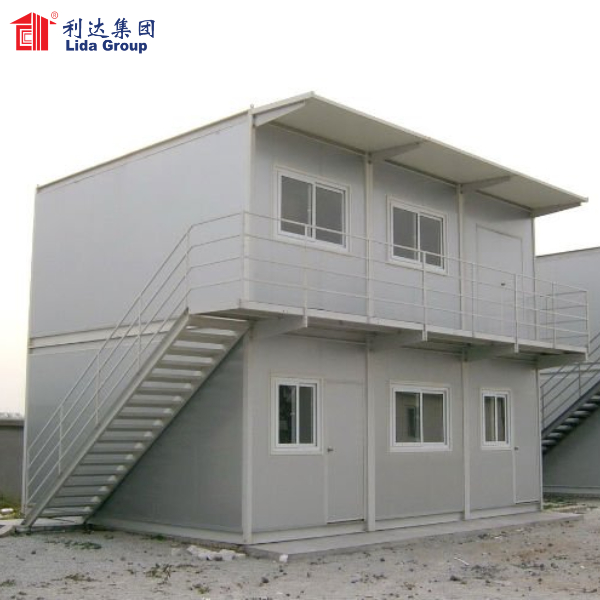
Flat pack container houses are prefabricated structures designed from shipping containers that can be easily transported, assembled, and customized. The term “flat pack” refers to the design’s ability to be shipped in a compact form, allowing for efficient logistics and reduced transportation costs. These homes are suitable for various applications, including permanent residences, temporary housing solutions, and commercial spaces.
Key Features
- Modularity: Flat pack container houses can be assembled in various configurations to meet specific needs, making them highly adaptable.
- Sustainability: The use of recycled shipping containers reduces waste and promotes eco-friendly construction practices.
- Quick Assembly: The prefabricated nature of these homes allows for rapid construction and deployment, making them ideal for urgent housing needs.
The Benefits of Flat Pack Container Houses
1. Speed of Construction
One of the most significant advantages of flat pack container houses is their rapid construction:
- Prefabrication: Components are manufactured off-site, allowing for concurrent site preparation and construction. This dual-process approach significantly reduces overall project timelines.
- Quick Assembly: Once on-site, flat pack container houses can be assembled in a matter of days, compared to traditional construction methods that can take months.
2. Cost-Effectiveness
Flat pack container houses offer a cost-effective solution for various housing needs:
- Lower Material Costs: Utilizing repurposed shipping containers reduces material expenses significantly, making affordable housing more accessible.
- Reduced Labor Costs: The simplicity of assembly and the speed of construction minimize labor costs, making flat pack homes a financially viable option.
3. Flexibility and Customization
Flat pack container houses provide exceptional flexibility in design and customization:
- Adaptable Designs: Homeowners can choose from various layouts and configurations, allowing for personalized living spaces that meet their unique needs.
- Scalable Solutions: As needs change, flat pack container houses can be easily modified or expanded, offering long-term adaptability.
4. Sustainability
Sustainability is a growing concern in the construction industry, and flat pack container houses address this issue effectively:
- Recycling and Repurposing: By using repurposed shipping containers, these homes contribute to reducing waste and minimizing the carbon footprint associated with new construction materials.
- Energy Efficiency: Many flat pack container houses can be designed with energy-efficient features, such as solar panels and insulation, further enhancing their environmental benefits.
5. Durability and Strength
Flat pack container houses are built to last:
- Robust Construction: Shipping containers are designed to endure harsh conditions during transport, making them inherently strong and durable.
- Low Maintenance: The materials used in container construction require less upkeep compared to traditional building materials, saving homeowners time and money.
Applications of Flat Pack Container Houses
1. Emergency Housing Solutions
Flat pack container houses are particularly valuable in emergency situations:
- Disaster Relief: In the aftermath of natural disasters, these homes can be deployed quickly to provide shelter for displaced families, offering immediate relief in times of crisis.
- Refugee Housing: They can serve as temporary housing for refugees, providing safe and secure living conditions while longer-term solutions are developed.
2. Affordable Housing
The affordability of flat pack container houses makes them a viable option for low-income families:
- First-Time Homebuyers: These homes provide an accessible entry point into homeownership for those with limited budgets.
- Urban Housing Solutions: In rapidly growing urban areas, flat pack container houses can help alleviate housing shortages by providing quick and affordable options.
3. Vacation and Recreational Homes
Flat pack container houses are increasingly popular as vacation retreats:
- Eco-Friendly Getaways: Many individuals are seeking environmentally conscious vacation options, and flat pack homes can be designed to blend seamlessly with natural surroundings.
- Modular Cabins: They offer a unique alternative to traditional cabin designs, allowing for customizable layouts and styles.
4. Commercial Spaces
Beyond residential applications, flat pack container houses can also serve commercial purposes:
- Pop-Up Shops: Businesses can utilize container structures as temporary retail locations, creating unique shopping experiences while minimizing costs.
- Mobile Offices: Companies can use flat pack containers as mobile offices, providing flexible workspaces that can be easily relocated as needed.
5. Educational Facilities
Flat pack container houses can be adapted for educational purposes:
- Classrooms: Schools can use container structures as classrooms or laboratories, providing modern learning environments without the long construction timelines associated with traditional buildings.
- Community Learning Centers: They can serve as community centers for educational programs, workshops, and events.
Overcoming Challenges with Flat Pack Container Houses
1. Regulatory Hurdles
Navigating local building codes and regulations can be a challenge for container homes:
- Understanding Local Codes: It is essential to be aware of and comply with local regulations when designing and building container houses to avoid legal issues.
- Advocacy for Acceptance: Advocating for regulatory changes that support modular construction can help pave the way for wider acceptance of container homes.
2. Public Perception
Despite their many advantages, misconceptions about container homes persist:
- Education and Outreach: Providing information about the benefits and possibilities of container housing can help change public perceptions.
- Showcasing Success Stories: Highlighting successful container home projects can demonstrate their viability and appeal.
3. Initial Investment Costs
While container homes often save money in the long run, initial costs can be a concern:
- Financing Options: Offering diverse financing solutions can help potential homeowners manage upfront costs.
- Long-Term Value: Educating clients on the long-term savings and benefits associated with container homes can help justify the initial investment.
Innovations in Flat Pack Container House Design
1. Advanced Construction Techniques
Innovations in construction techniques improve the quality and efficiency of flat pack container houses:
- Modular Construction: The use of modular components allows for faster assembly and enhances design flexibility, enabling more complex structures.
- 3D Printing: Emerging technologies, such as 3D printing, can be integrated into the design process, allowing for unique architectural features and faster production times.
2. Sustainable Technologies
The incorporation of sustainable technologies enhances the environmental benefits of flat pack container houses:
- Renewable Energy Integration: Many designs incorporate solar panels, wind turbines, and other renewable energy sources to reduce dependence on traditional power grids.
- Water Management Systems: Innovative water collection and filtration systems can be integrated into container homes, promoting self-sufficiency.
3. Smart Home Features
The integration of smart technologies into flat pack container houses is becoming increasingly popular:
- Home Automation: Smart home systems allow homeowners to control lighting, security, and energy use remotely, improving convenience and efficiency.
- Monitoring Systems: Real-time monitoring of energy consumption and environmental conditions can help homeowners optimize their resource use.
Case Studies: Successful Flat Pack Container House Projects
1. Disaster Relief Housing in Haiti
Following the devastating earthquake in Haiti, flat pack container houses were deployed as temporary shelters for displaced families. Their rapid assembly and durability provided immediate relief, helping families regain a sense of security during a challenging time. This project demonstrated the effectiveness of container homes in disaster response scenarios.
2. Affordable Housing Initiative in the U.S.
In an innovative affordable housing initiative, a city in the U.S. collaborated with a local developer to create a community of flat pack container homes for low-income families. The project showcased the speed and efficiency of container construction, providing safe and affordable housing in just a few months. The homes featured modern amenities and energy-efficient designs, contributing to the well-being of the residents.
3. Eco-Friendly Vacation Retreat in Costa Rica
An eco-friendly retreat in Costa Rica utilized flat pack container houses to create unique accommodations for guests. The resort emphasized sustainability, incorporating renewable energy sources and eco-friendly materials. The project attracted travelers seeking environmentally conscious vacation options, highlighting the potential of container homes in the hospitality industry.
4. Mobile Office Solutions for a Tech Startup
A tech startup sought flexible office solutions and turned to flat pack container homes for their workspace. The design included open-plan layouts and collaborative spaces, fostering creativity and innovation while keeping costs low. The ability to relocate the offices as the company grew proved invaluable, showcasing the versatility of container structures.
The Future of Flat Pack Container Houses
1. Growing Demand
The demand for flat pack container houses is expected to increase as cities grapple with housing shortages and the need for sustainable, affordable living solutions:
- Urbanization Trends: As more people move to urban areas, container homes can provide efficient housing solutions in densely populated regions.
- Shift in Housing Preferences: A growing preference for minimalism and eco-friendly living will drive interest in container homes.
2. Technological Advancements
As technology continues to evolve, the possibilities for flat pack container houses will expand:
- Smart Home Integration: Future container homes may see increased integration of smart technologies, allowing homeowners to manage energy use, security, and convenience features remotely.
- Innovative Materials: Advances in sustainable building materials will enhance the eco-friendliness and efficiency of container homes.
3. Community Developments
The future may also see the emergence of container home communities:
- Planned Developments: Developers may create entire neighborhoods of container houses, fostering a sense of community while promoting sustainable living.
- Innovative Urban Solutions: Container homes can be integrated into urban planning efforts, addressing housing shortages while enhancing the aesthetic appeal of cityscapes.
Conclusion
Flat pack container houses represent a transformative approach to modern living, offering efficient, sustainable, and customizable housing solutions. As the challenges of traditional housing become more pressing, the appeal of container homes will continue to grow. With their affordability, rapid construction, and environmental benefits, flat pack container houses are well-equipped to meet the diverse needs of today’s society.
By embracing the potential of flat pack container houses, individuals and communities can enhance their living arrangements while minimizing their environmental impact. The innovative design and quick deployment of these homes pave the way for a more sustainable and efficient future in housing. As the world looks for solutions to pressing housing challenges, flat pack container houses stand out as a viable and appealing option for those seeking to build a better tomorrow.
Contact Us
Post time: Oct-23-2024